

Art Basel Paris was supposed to run through Sunday, October 25. Instead, the fair will close at 7 p.m. on Friday, October 23, cutting its fifth edition short by two days as Paris braces for another weekend of protests. Organizers cited safety concerns for visitors, exhibitors, staff, and artworks. The decision is understandable, but it also puts the art world’s comfortable bubble in an awkward position.
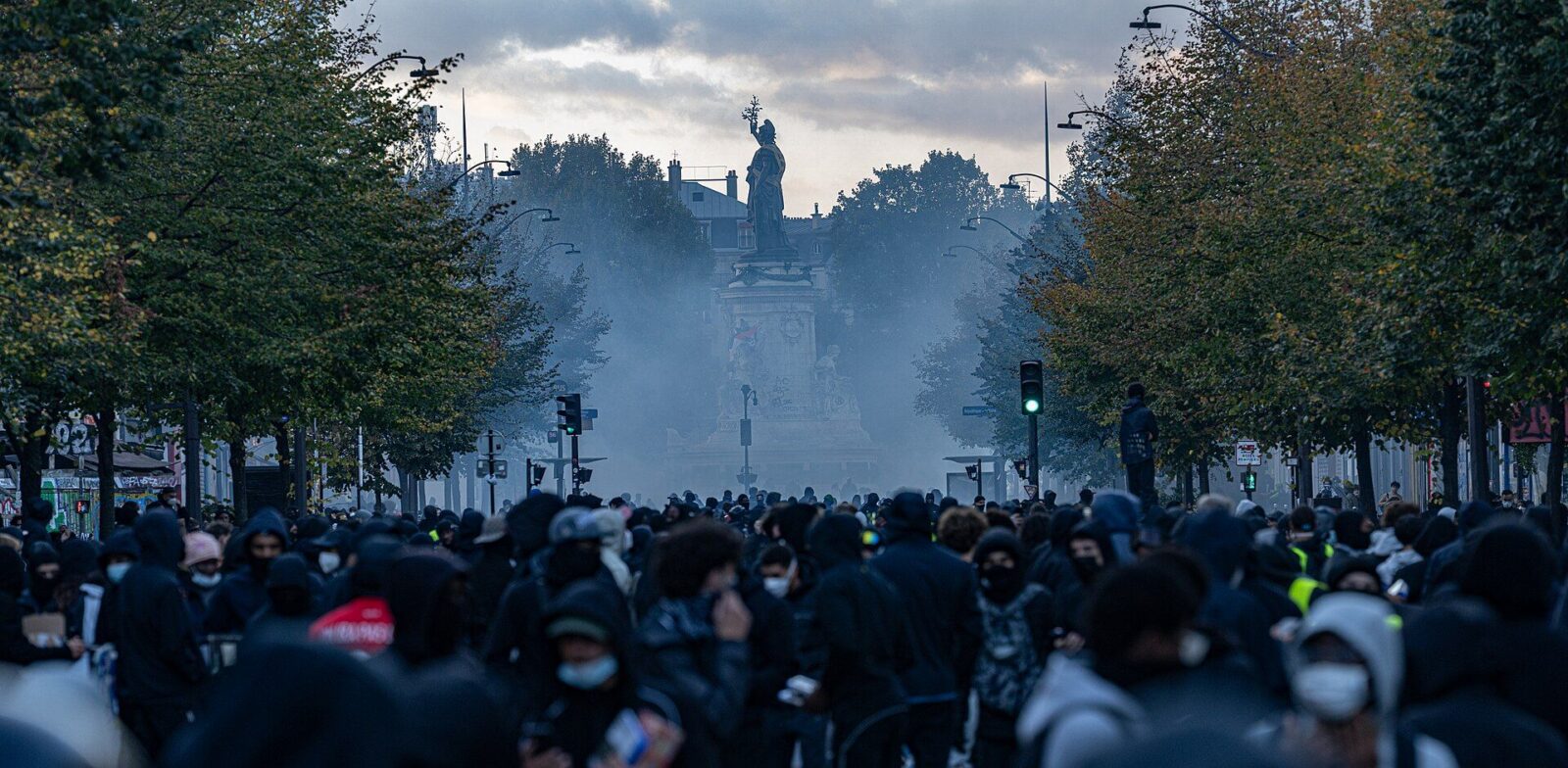
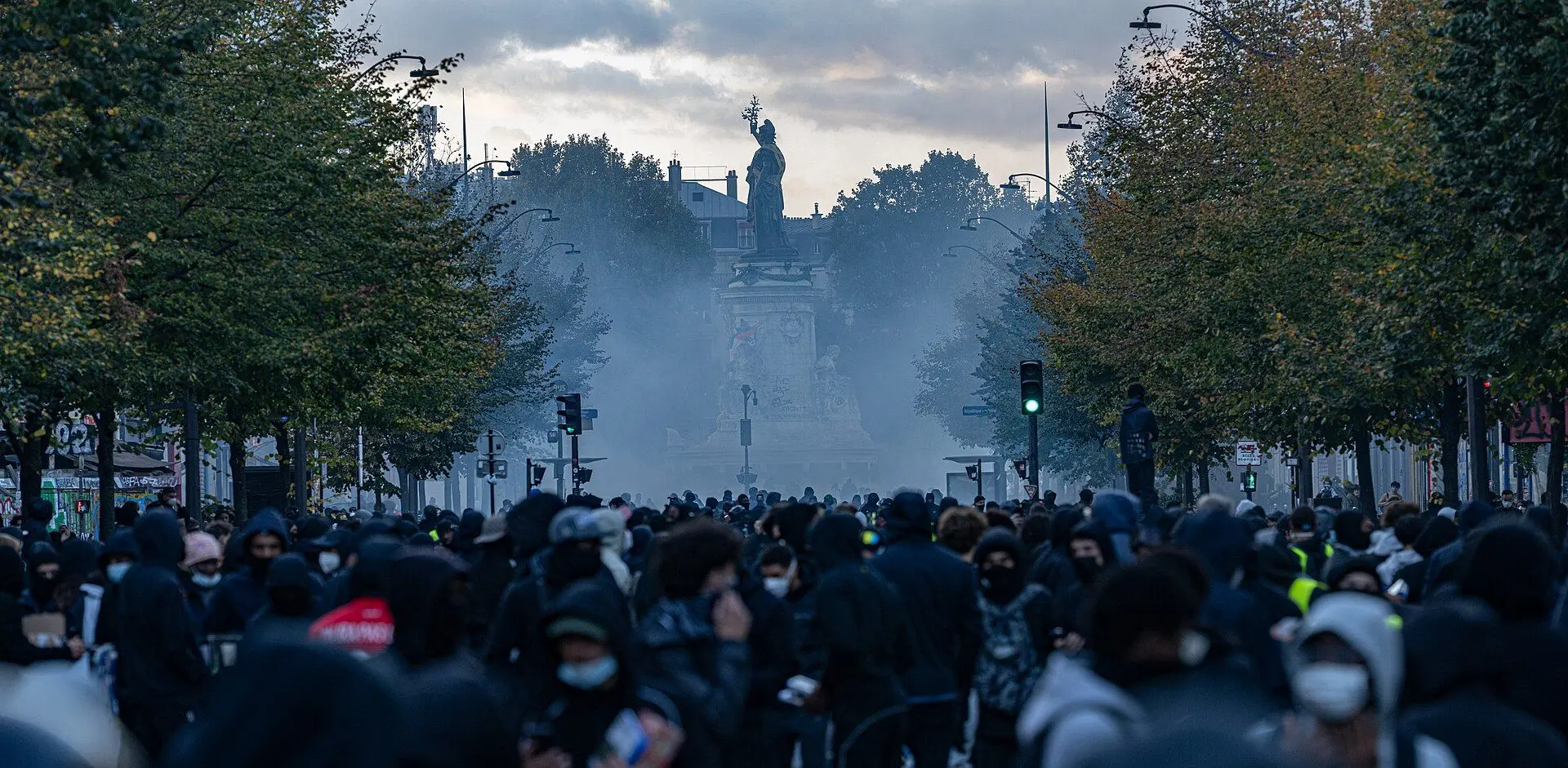
The demonstrations began around concerns over France’s public schools and the rising cost of living. Subsequent riots and looting escalated the situation, prompting a heavier police presence and additional security around the Grand Palais, where the fair is being held. Authorities have also announced restrictions on demonstrations in central Paris.
The timing is particularly uncomfortable. Inside the fair, collectors have been spending millions on works of art. White Cube, for example, offered Julie Mehretu’s Rise of the New Suprematists (2001) at $7.8 million. Outside, people are protesting the cost of living and deteriorating school conditions. It’s a sharp contrast, and one that is difficult to ignore, even if the art market would prefer to get on with business.
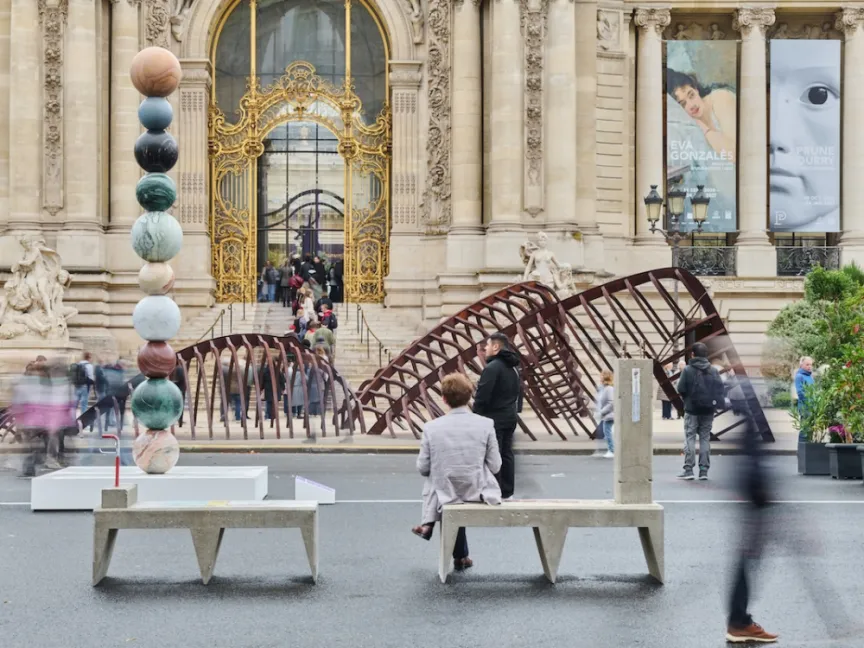
The disruption extends beyond the fair’s exhibition halls. Artist Alicja Kwade’s outdoor sculpture L’Élévation des Mondes (2026), originally scheduled to remain on view through Sunday, was slated for early dismantling amid concerns about further violence. Fondation Cartier also announced an exceptional early closure on Friday.
There is a clear distinction between peaceful protest and property destruction. But the bigger question is what happens when an art fair built around wealth, exclusivity, and international collecting finds itself in the path of public anger. Art Basel can put up barriers and increase security, but it cannot entirely separate itself from the city around it.
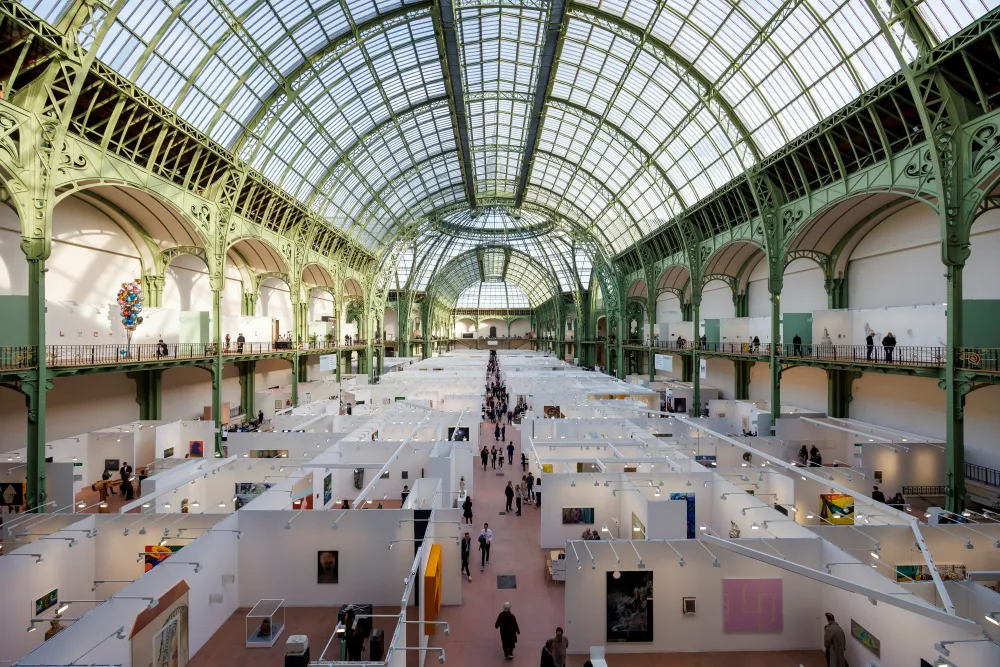
For galleries, artists, art handlers, and the many people whose livelihoods depend on these events, an early closure means lost opportunities and logistical headaches. That matters, too. Still, the situation raises a familiar question: how connected is the art world to the people beyond its doors?
Paris has a long history of political protest, and art has often drawn energy from precisely these kinds of tensions. This week, the fair’s premature ending offers an uncomfortable reminder that the cultural world doesn’t operate independently of social reality. The doors may close early, but the questions outside won’t go away.