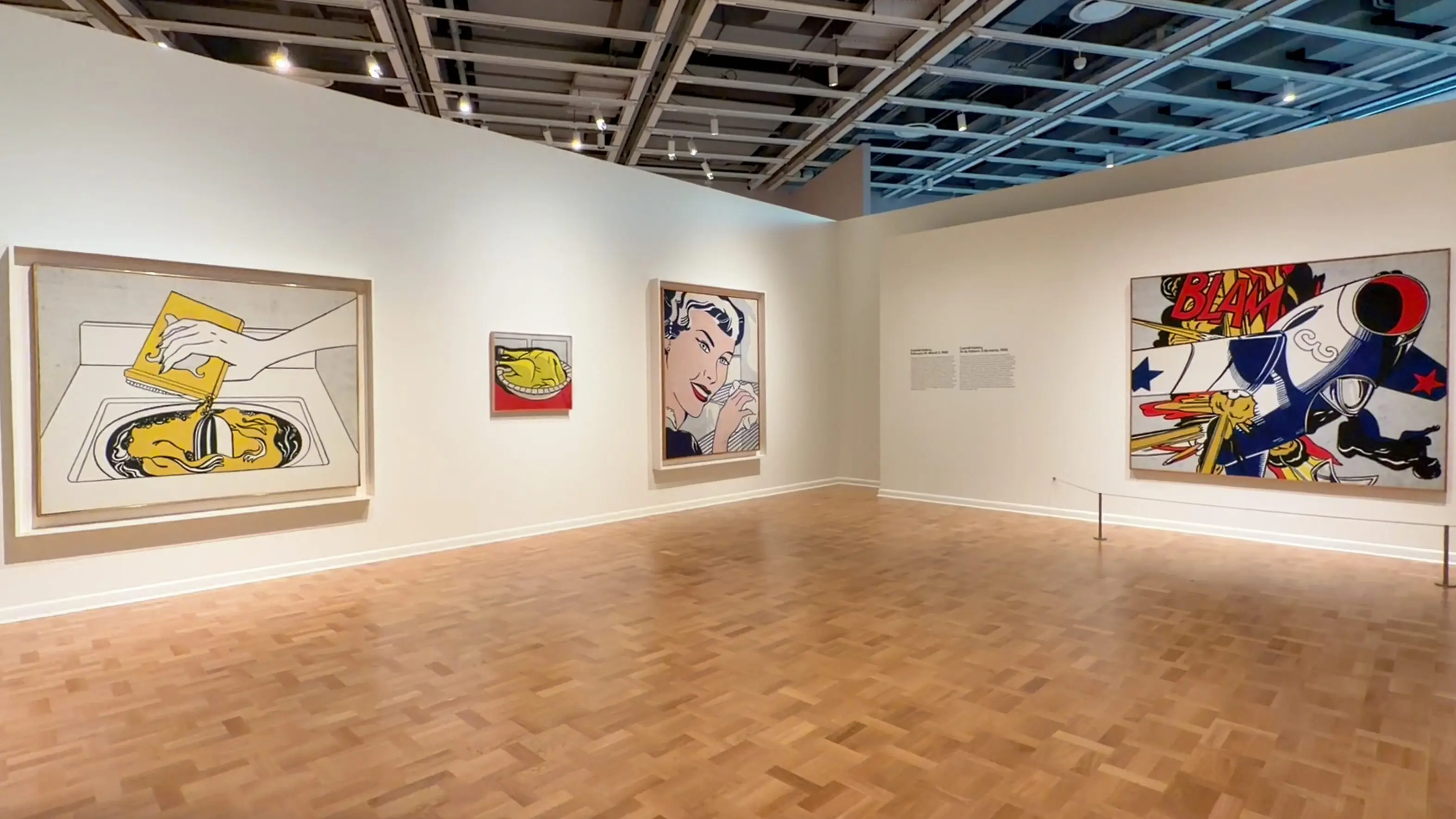
Roy Lichtenstein at the Whitney Museum: A Comic Book Retrospective (Article & Video)
Fall has been quite warm this year. I am in no way complaining. It seems like going to see exhibitions gets a little easier when the weather is like this…

Fall has been quite warm this year. I am in no way complaining. It seems like going to see exhibitions gets a little easier when the weather is like this…

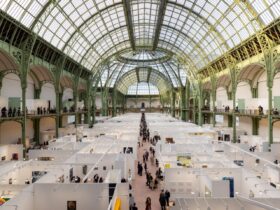
Art Basel Paris was supposed to run through Sunday, October 25. Instead, the fair will close at 7 p.m. on Friday, October 23…
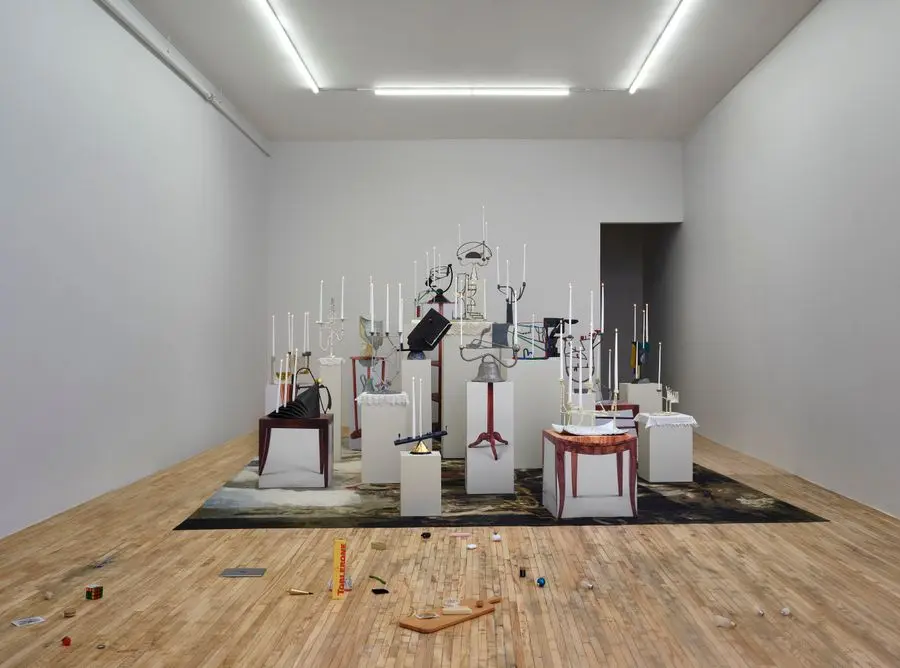

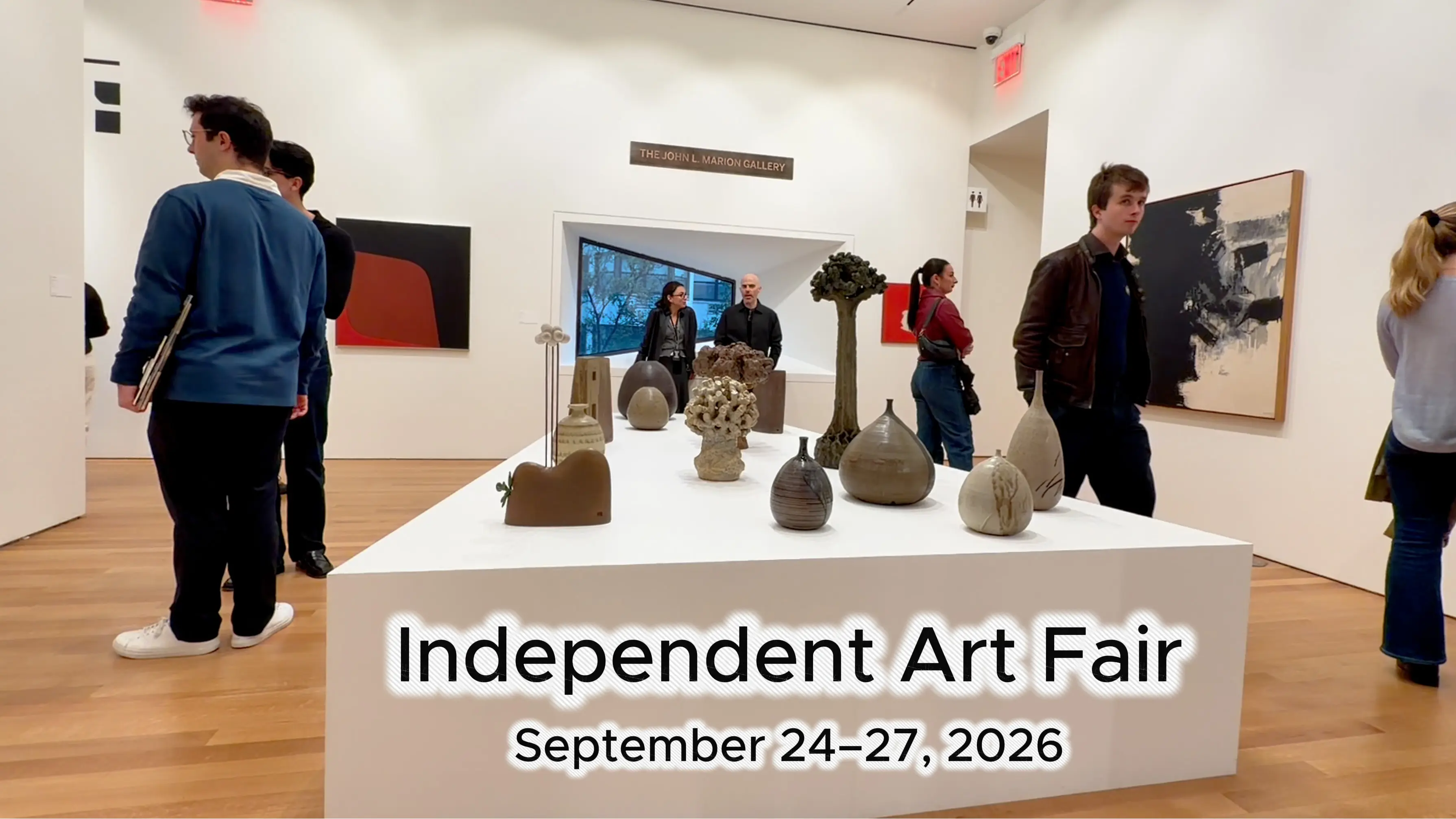
Marking Ho’s third solo show with the gallery, Waterloo! investigates the pivot from the Napoleonic Wars to the insular, middle-class Biedermeier era to formulate a theory of our contemporary moment.
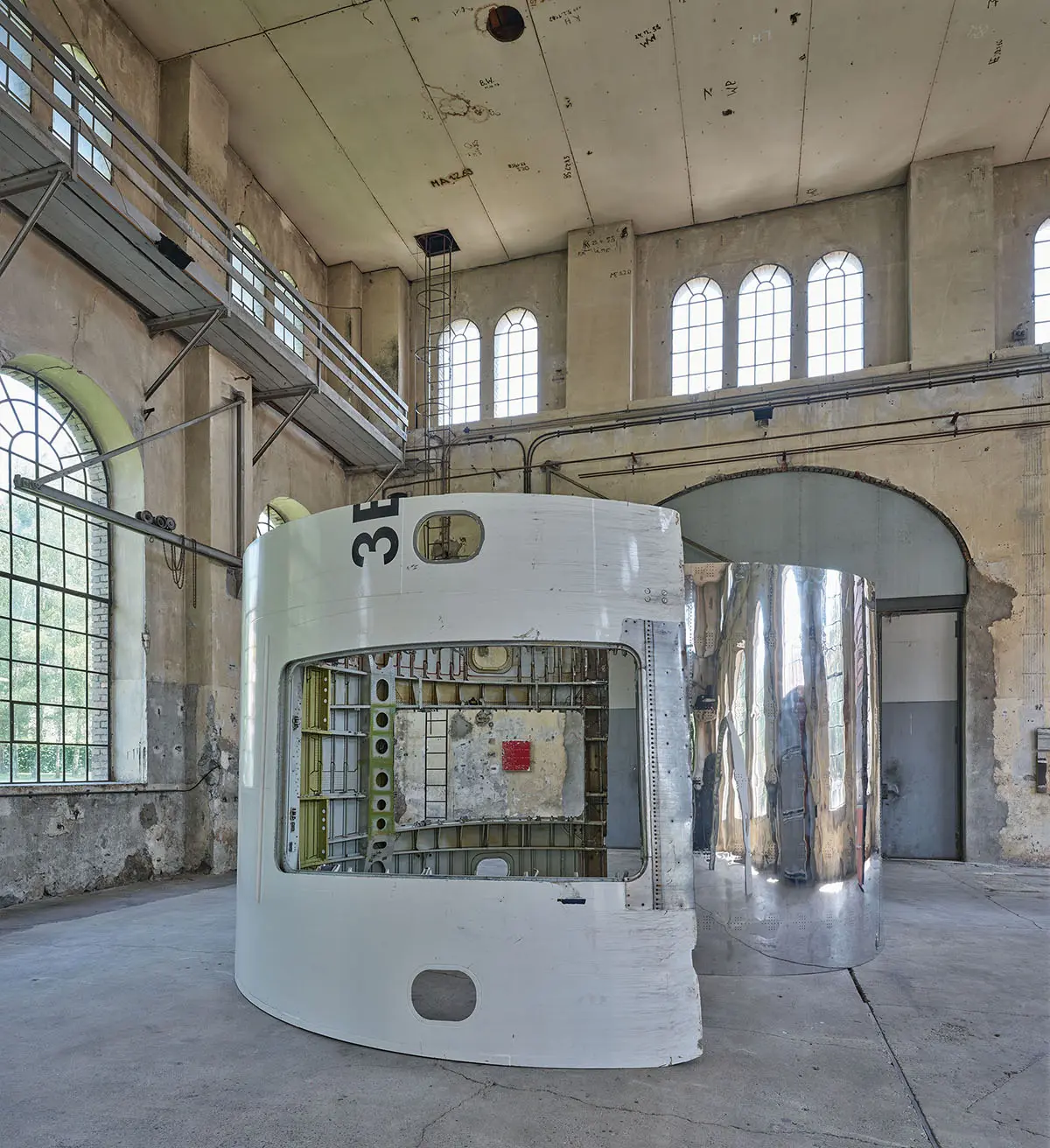
With HYLE, Kunstraum Dornbirn presents the first institutional solo exhibition in Austria by Michail Pirgelis. For the historic assembly hall…


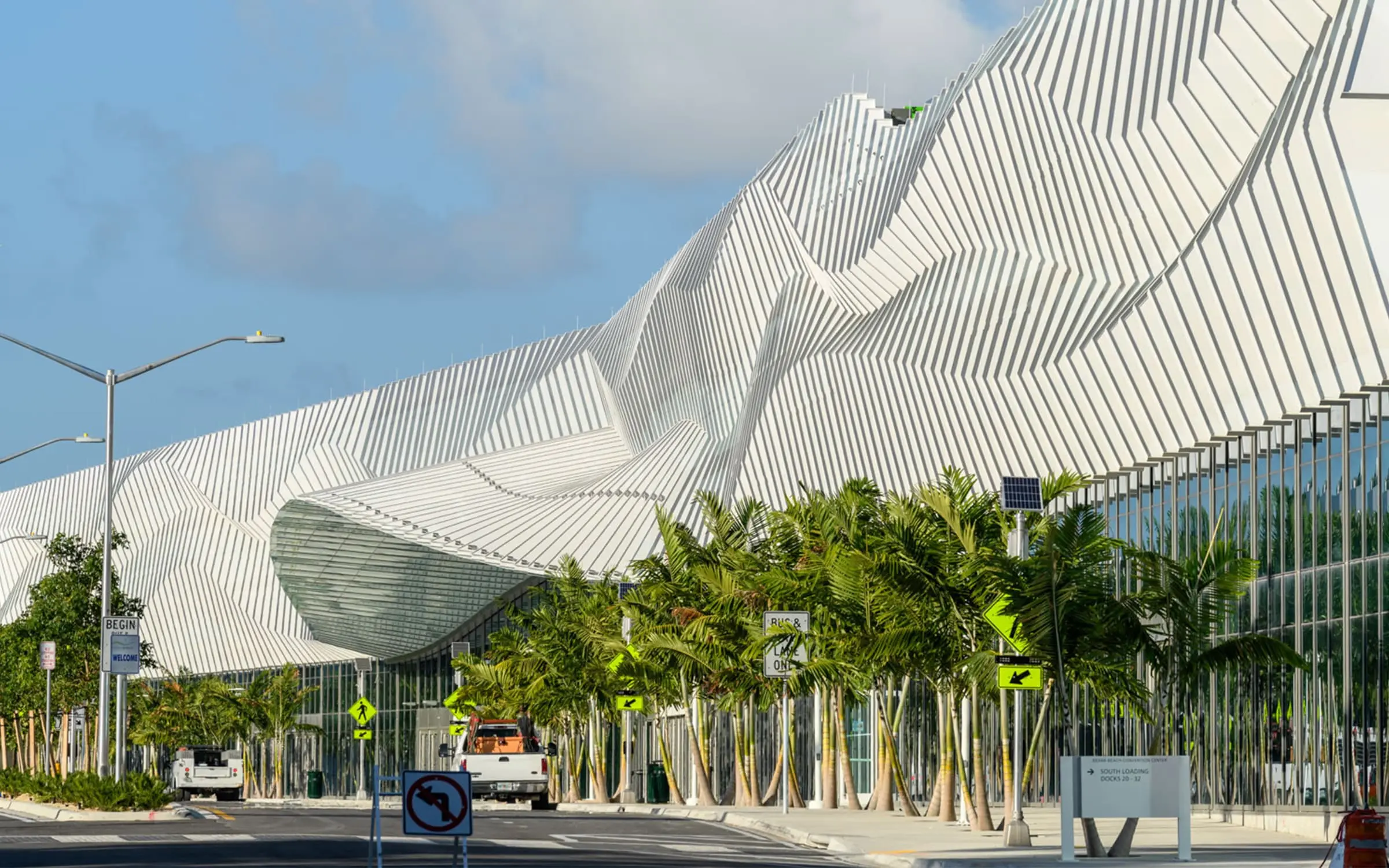
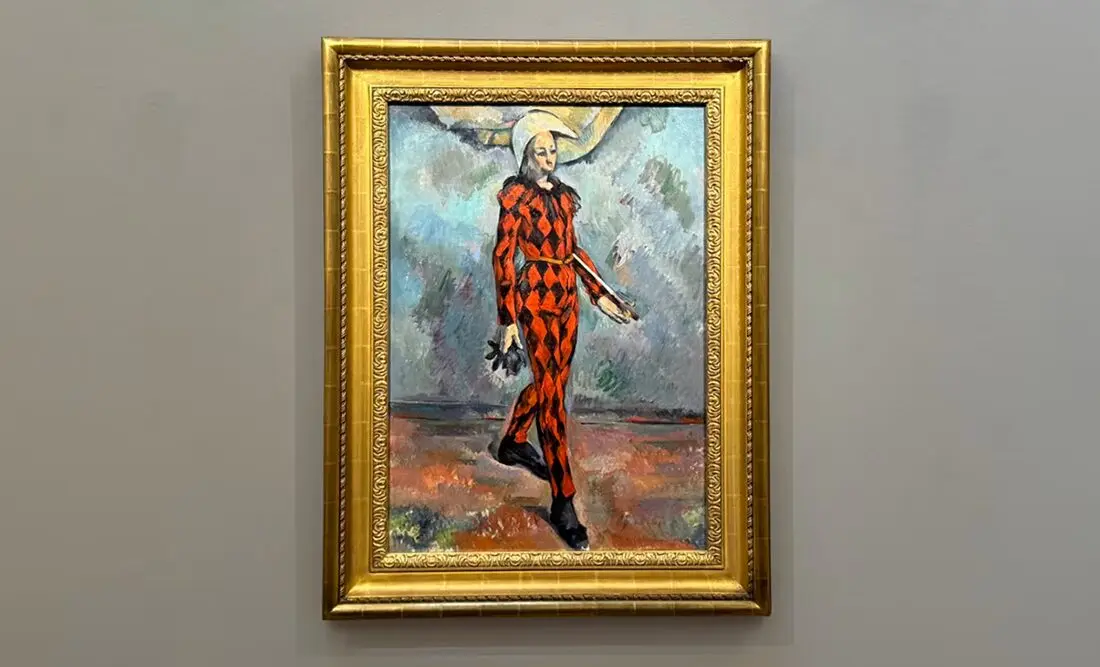

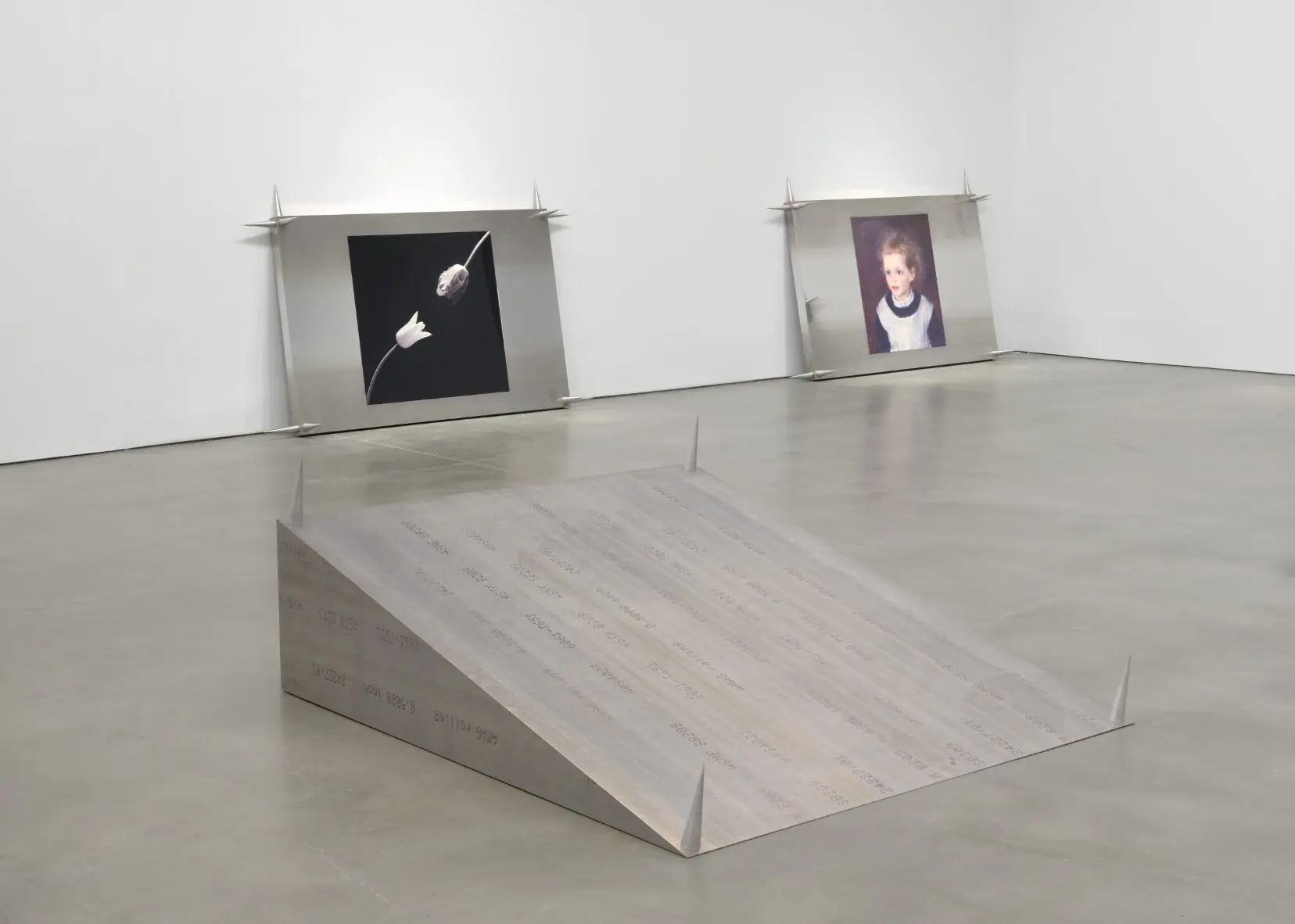


Opening night for Jordan Wolfson at Gagosian Gallery on 24th Street, New York City.
The opening of the new season is here. Things are different this year, since Armory was pushed back towards the end of the month instead of...

Lucien Smith, the American contemporary artist known for his unique “Rain Paintings,” died at age 37.

The gallery is thrilled to debut powerful new work by Francis Alÿs and Rose Wylie, anchored by a striking selection of pieces from artists like Yayoi Kusama, Gerhard Richter, Ruth Asawa, Alice Neel, Mamma Andersson, and Lucas Arruda.

Untitled Art, Miami Beach is pleased to announce its exhibitors for the 15th edition, bringing together 166 galleries and non-profit organizations from 36 countries and territories.

The Metropolitan Museum of Art is canceling its planned exhibit honoring British designer John Galliano, which had led to severe backlash in the Jewish community and beyond because of the designer's past antisemitic and racist statements.

For hundreds of years, Western art centered on oil paint, bronze, and stone.

Venice has it all: it sits between land and water, where historical myths blend as buildings decay...
 Subscribe to my channel