


Roy Lichtenstein at the Whitney Museum of Art
October 11, 2026 – May 10, 2027
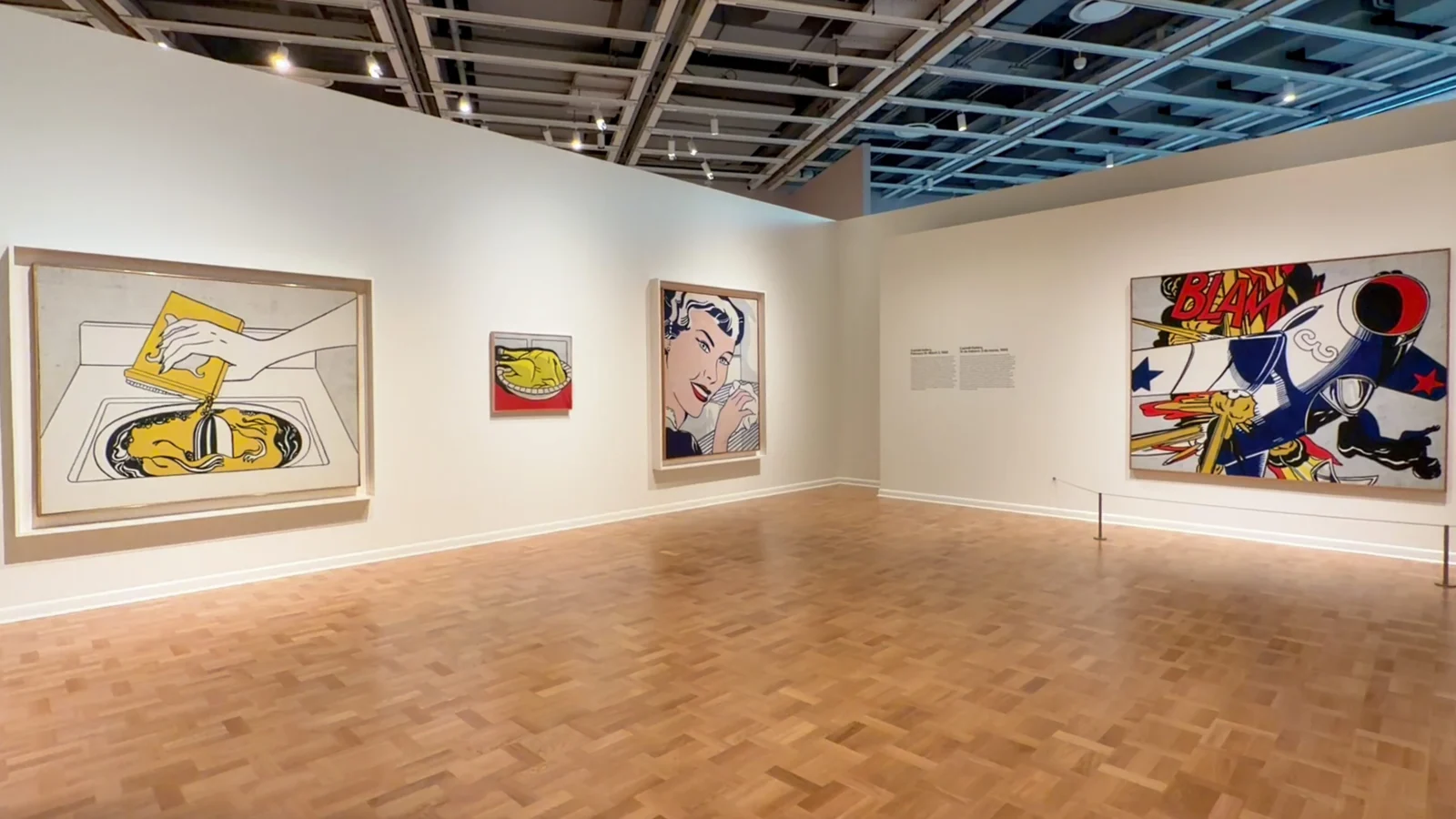
Fall has been quite warm this year. I am in no way complaining. It seems like going to see exhibitions gets a little easier when the weather is like this. This was a perfect day to finally see Roy Lichtenstein at the Whitney Museum. Meg Onli, Nancy and Fred Poses Curator, and Alex Da Corte, Guest Curator, organized the exhibition, with Nakai Falcón, Curatorial Assistant, and David Crane, Curatorial Research Associate.
Roy Lichtenstein was a real New Yorker. There are not many of those anymore. He was born and raised on the Upper West Side in a middle-class family and eventually became one of the most recognizable artists of the Pop Art movement, but his work extends beyond the comic-book paintings most people associate with him.
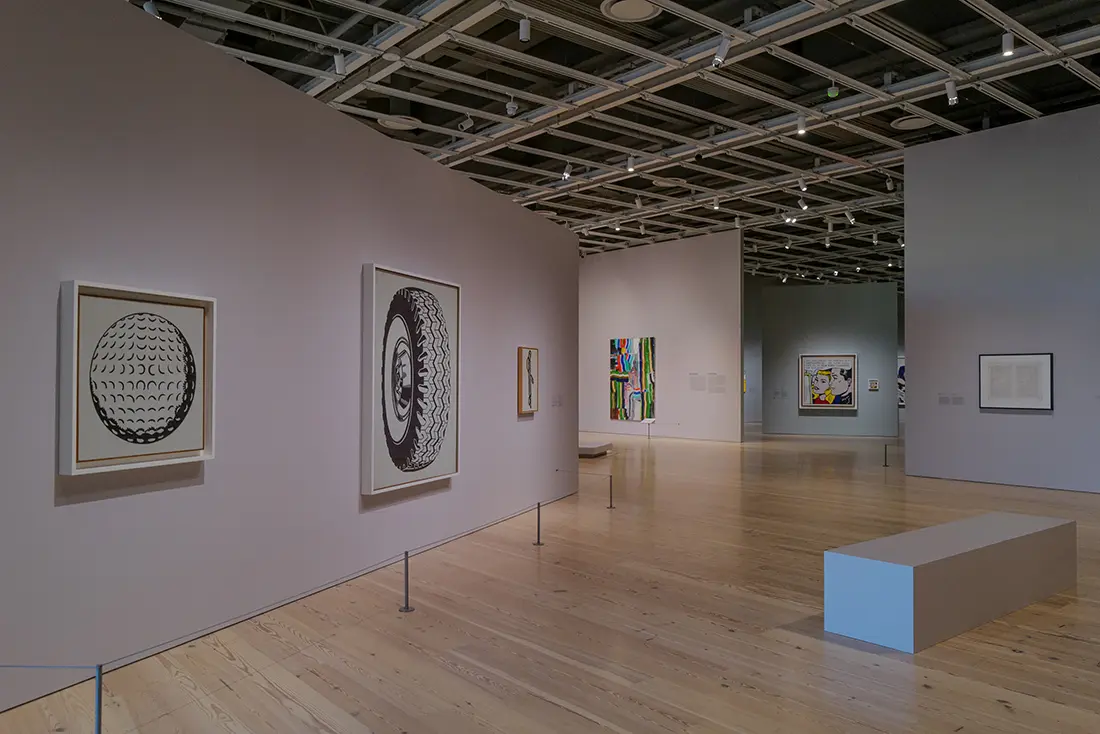
At first glance, and on my first visit, the exhibition seemed a bit flat. But as I walked through the fifth floor, with a few pieces on the third, it started to feel more like being inside a comic book and becoming part of the story. The exhibition shows how Lichtenstein developed into the artist we know today, moving between popular culture, painting, sculpture, and art history. What people sometimes overlook is how much he relied on appropriation, especially in painting, to challenge the conversation about who owns an image and what happens when it is taken out of its original context.
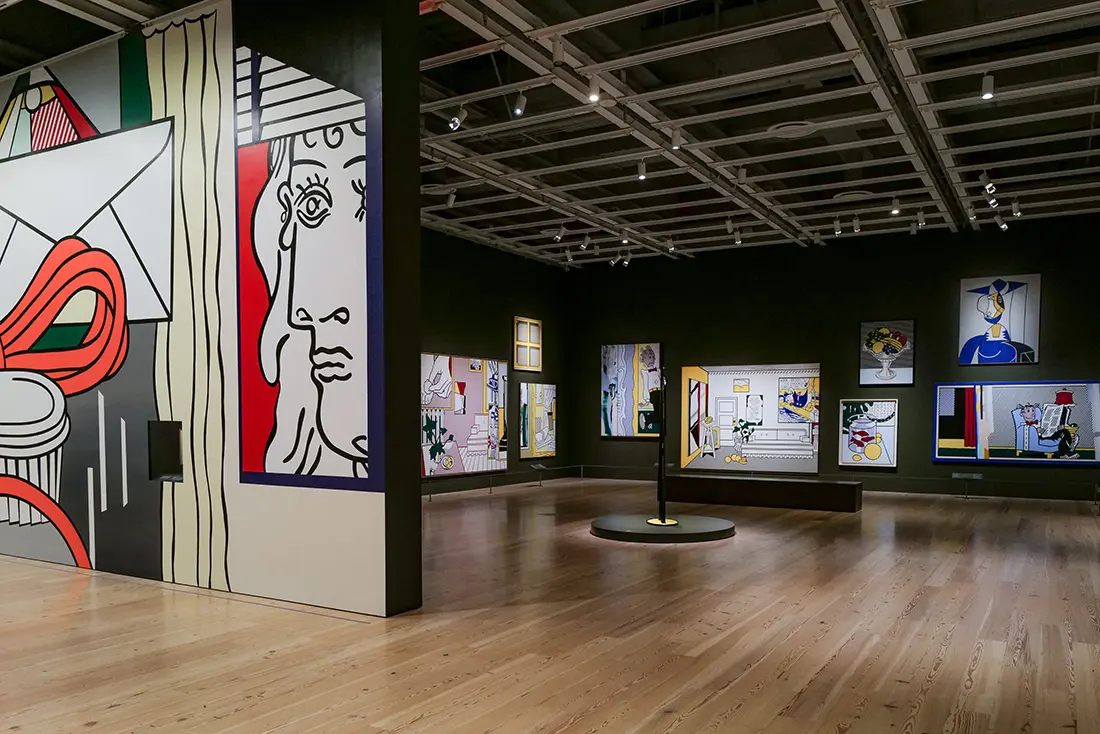
The exhibition includes plenty of famous works, mixed with lesser-known pieces that, according to the Whitney, have not been seen in a long time. The appropriation is part of what makes the exhibition interesting: cartoons imitating life, life imitating art, and then back to life again. The main dark room on the west side has one of the best layouts. It keeps the story moving, almost like a storyboard, except this is Lichtenstein’s own comic-book retrospective of his art. The images pull you in, but the longer you look, the more you realize how carefully everything has been constructed.
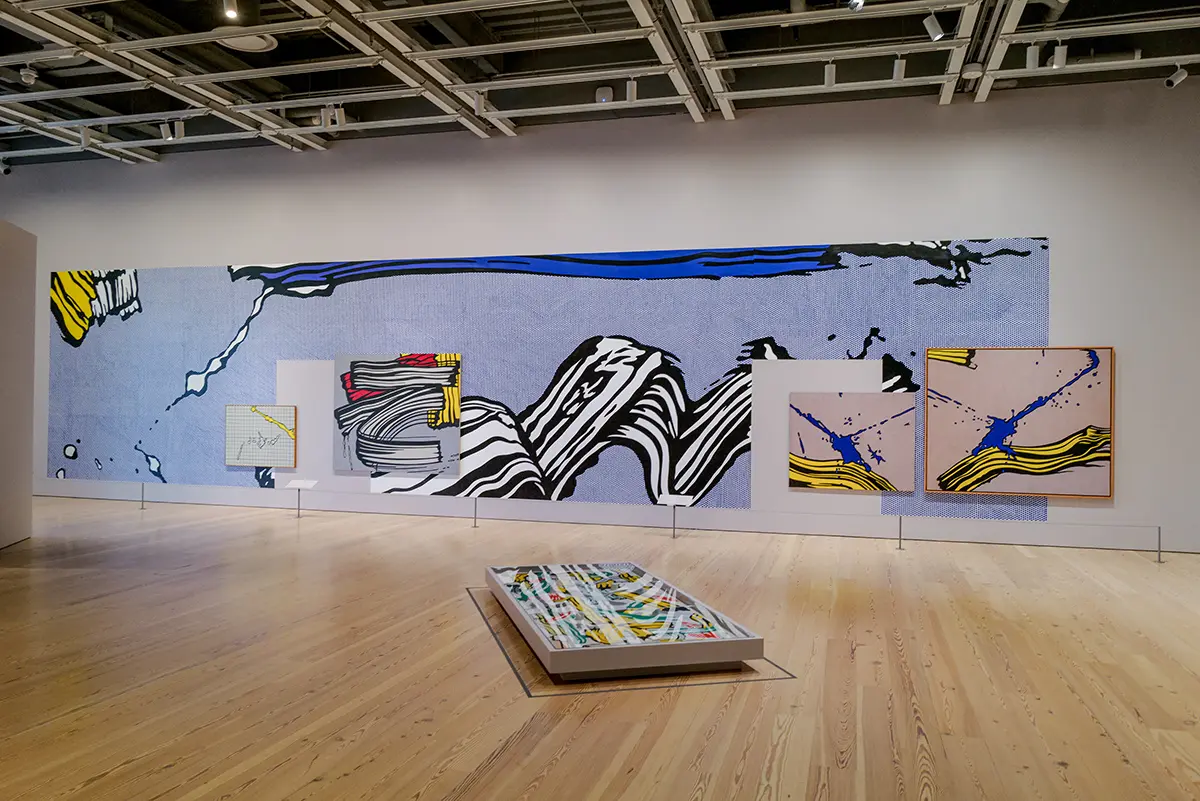
Appropriation makes Lichtenstein’s work more interesting and complicated to me, and this is where the exhibition really has something to say. He borrowed from comic strips, advertisements, and other artists, transforming familiar popular images into something that looked unmistakably like his own. The images still look mechanical, but up close, they are handmade. But that raises a question that still follows contemporary art: when does borrowing become an original act, and who decides? Lichtenstein’s work was never simply about copying a cartoon; it’s much more complicated, yet it looks so simple and comical in the paintings. Roy took images that already had a life outside the museum and gave them another, so they already had meaning, and he often changed that meaning in the process. His paintings make you look twice at something you thought you already knew or were familiar with. And that is probably the point. The image is never completely settled, as he himself always said when he discussed his work. It can be taken, repeated, questioned, and made to mean something else to continue to keep this conversation moving forward, not just visually but intellectually and conceptually. Walking through the Whitney, I kept thinking about how much contemporary art still depends on that same conversation and, as usual, I am more interested in questions than answers. Lichtenstein may have made appropriation look easy, but the questions behind it are anything but simple, like contemporary art.